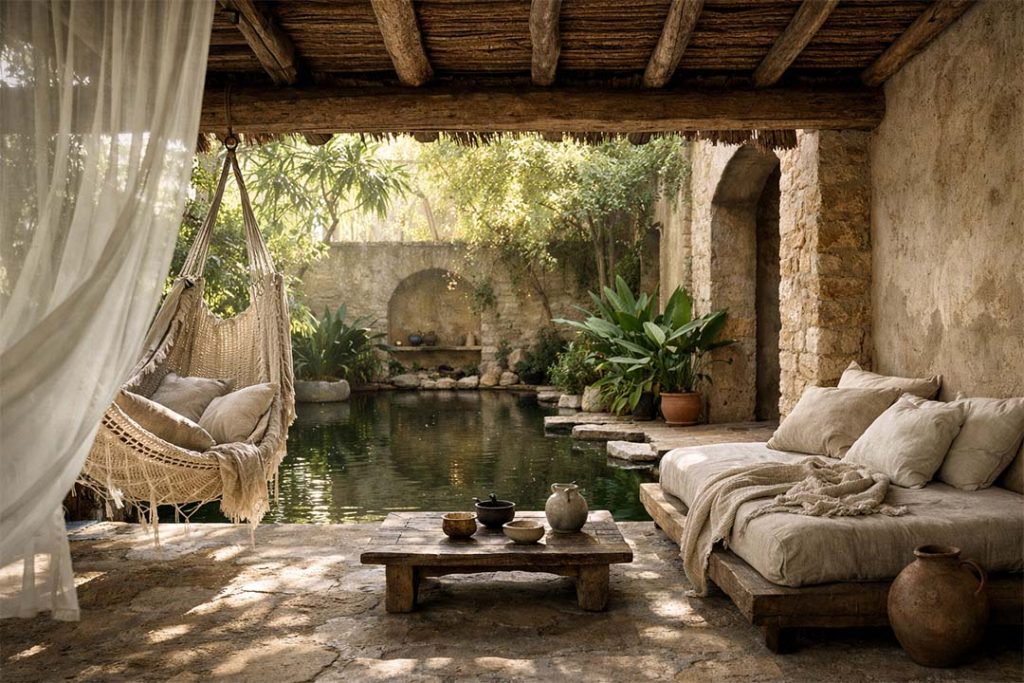
Faced with this constant overstimulation, it has become urgent not only to escape the noise… but also to design spaces that teach us to stop. This is where an emerging and transformative approach comes into play: the architecture of rest.
We live in the age of constant alerts. Screens, notifications, traffic, deadlines, algorithms. Every day we are exposed to a sensory and cognitive load that our bodies—and our nervous systems—are not designed to handle without consequences.
The architecture of rest is a new way of thinking about spaces: not as spectacle, but as refuge. As a space capable of slowing the body's pace, calming the mind, and restoring what is essential..
What is the architecture of rest?
It's not a style.
It's a design philosophy that prioritizes:
- The mental and emotional well-being of the inhabitant
- The relationship between space, time, and body
- The deliberate reduction of unnecessary stimuli
It's about creating spaces that invite stillness, that allow for deep breathing, that don't demand constant attention. Places that protect from excess, without isolating you from the world.
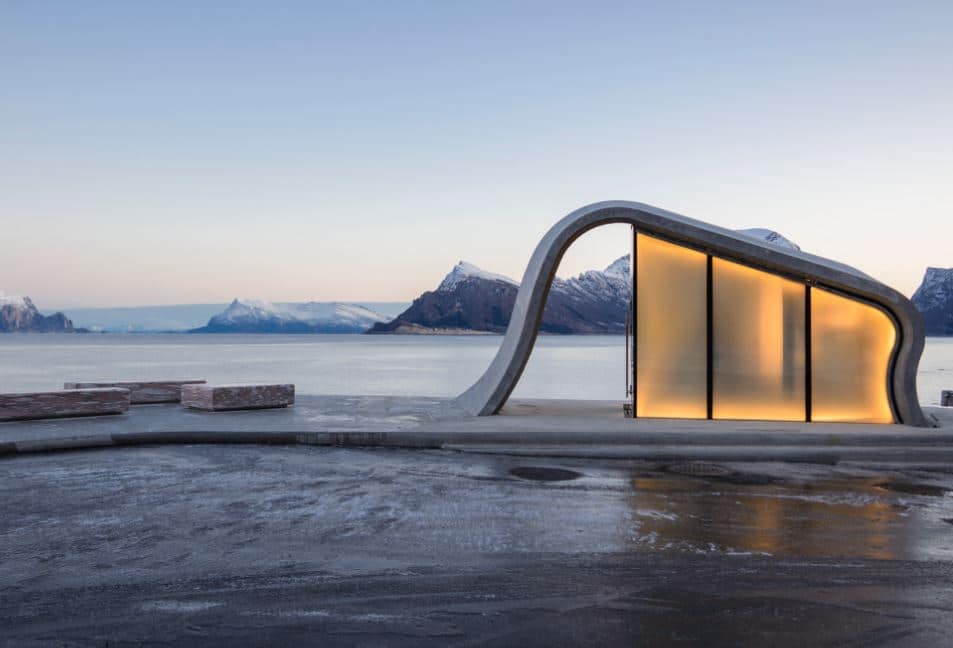

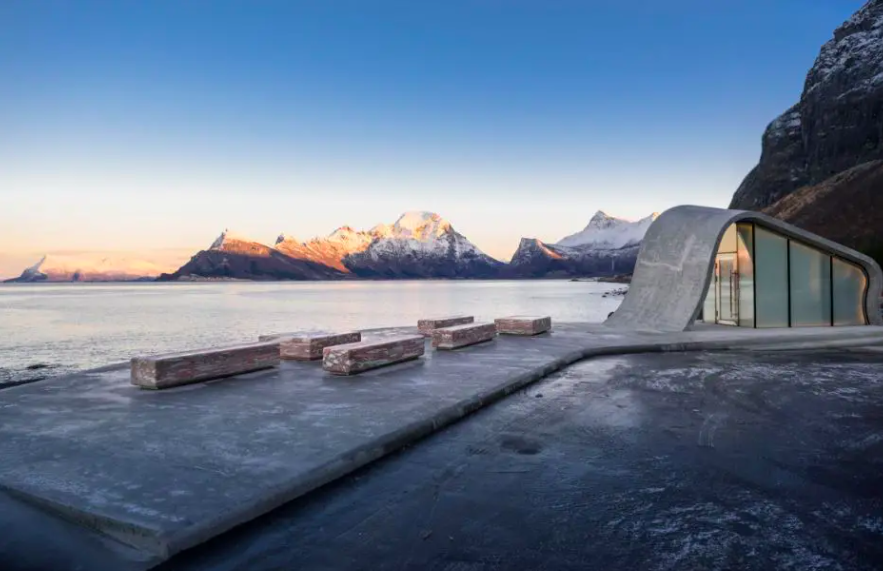
Essential elements of a home designed for relaxation
Visual and acoustic silence
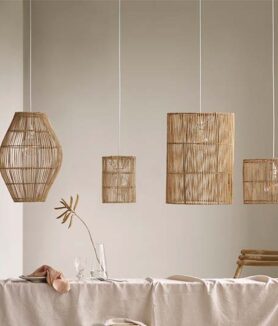
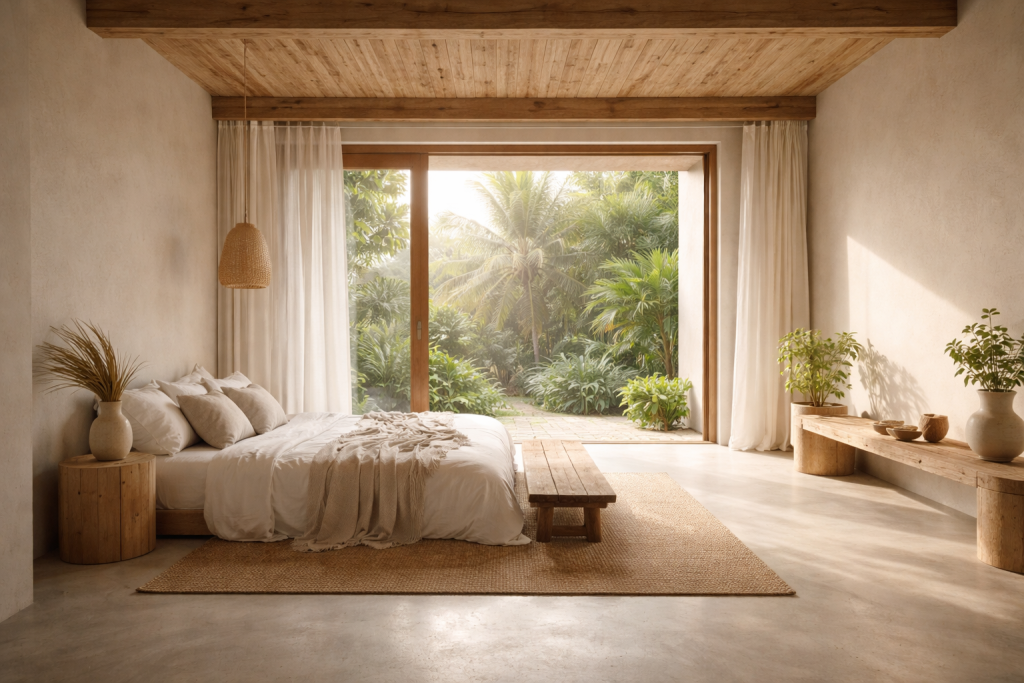
Fewer objects, more order. Neutral colors, soft sounds, warm lighting.
Integration with the natural environment
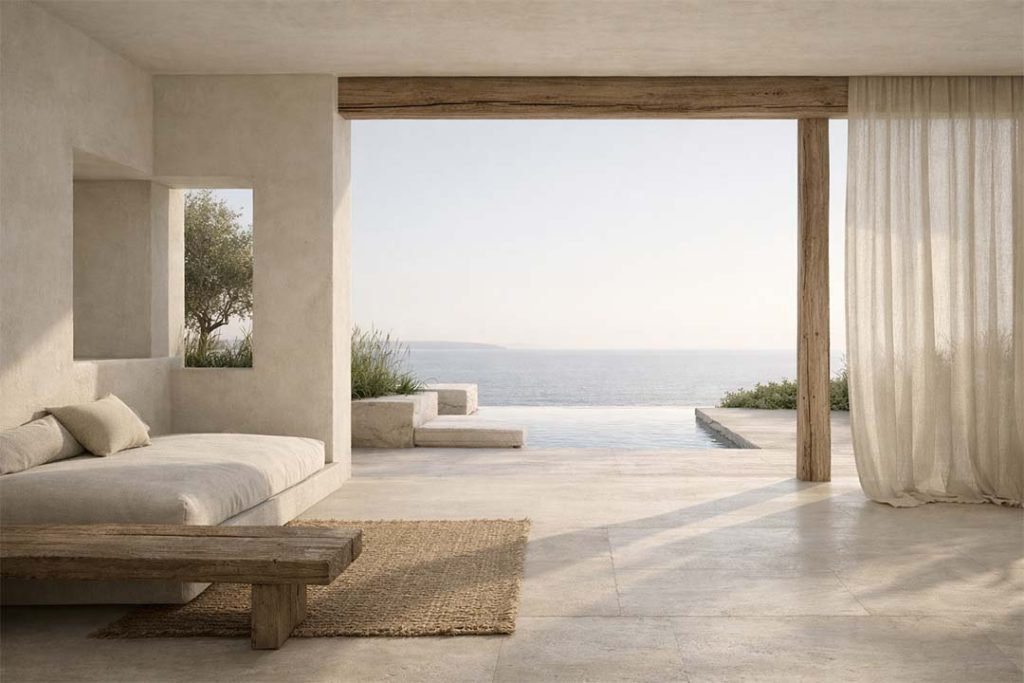
Open views, native vegetation, cross ventilation. The landscape is not dominated: it is honored.
Noble and tactile materials
Stone, wood, clay, linen. Textures that slow down and reconnect with the senses.
Natural light as a central element
Windows that frame moments, not just views. No competition with the artificial.
Fluid indoor-outdoor transitions
Terraces, patios, open showers. The space breathes, and so does its inhabitants.
Design with evidence: it's not just aesthetics, it's biology.
Numerous studies have shown that prolonged exposure to noise, urban stress, and digital hyperconnectivity disrupts our circadian rhythms, affects sleep quality, increases cortisol levels, and deteriorates emotional health.
Designing homes that promote rest is not a whimsical luxury, but a contemporary biological necessity.
And that's why many are seeking refuge in places where design—finally—is at the service of profound well-being.
Towards a New Way of Living
In a world saturated with stimuli, the architecture of rest is a serene, necessary, and profoundly human response. It's the reclaiming of the home as a refuge, not a showroom. And it is, perhaps, the true contemporary luxury: silence, calm, and slow time.
At Property Journal, we explore not only properties, but also ideas that are transforming the way we live on the Mexican coast.
Looking for a home that not only looks good, but feels good?
Subscribe to our newsletter and receive authentic, unobtrusive inspiration.