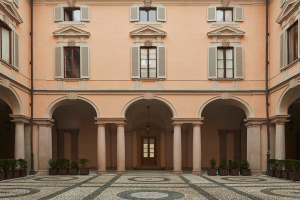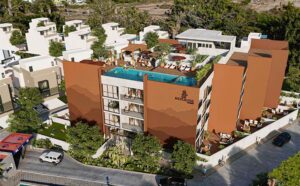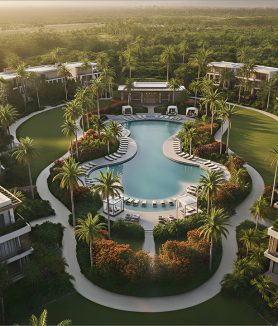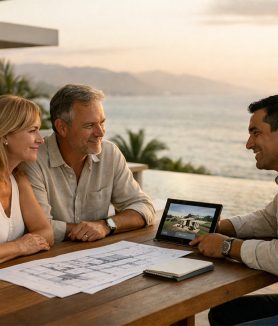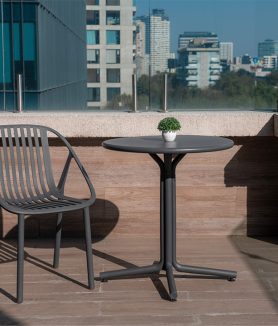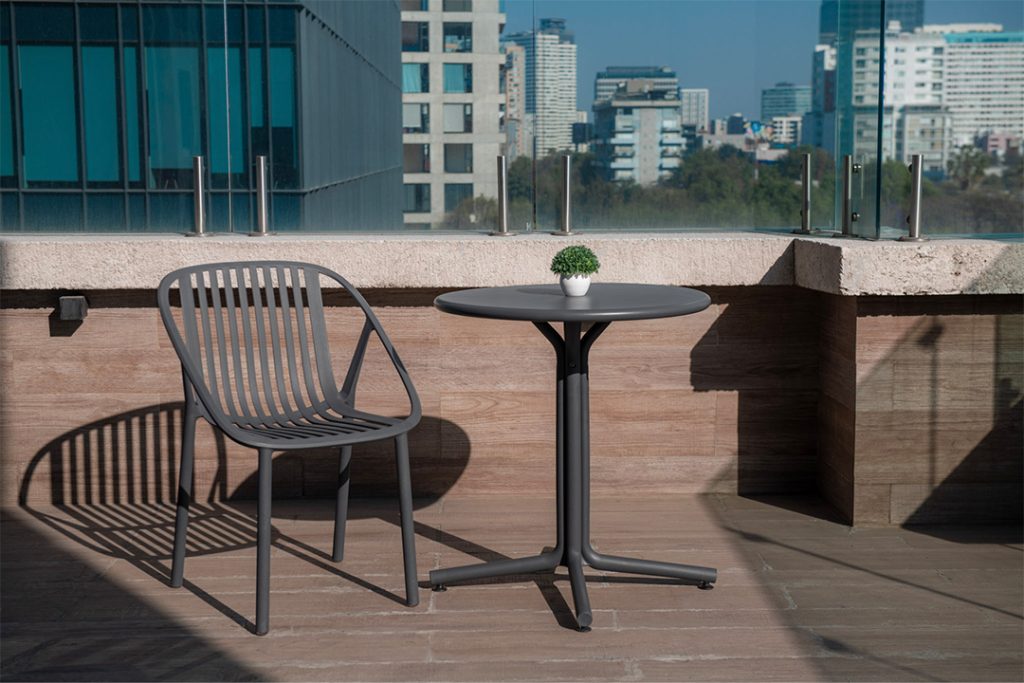
For years, outdoor areas were considered an add-on to real estate projects. Today, that logic has changed. Terraces, patios, and common areas have become natural extensions of indoor life, transforming the way hotels, offices, and residential developments are designed.
The design of outdoor spaces no longer responds solely to aesthetic criteria: it has become a strategic element for fostering community, improving mobility, and enhancing the quality of life within projects.
The New Relationship Between Indoor and Outdoor Spaces
In today's world, open spaces are an active part of daily life. Hotels, restaurants, offices, universities, and residential communities are integrating terraces and patios as functional areas where people work, socialize, or relax.
This shift has redefined the approach of architects and designers. Furniture, once considered an accessory, now plays a fundamental role in organizing space, facilitating circulation and creating meeting points.
The challenge lies in creating pieces that:
- Are durable and require minimal maintenance
- Visually integrate with the architecture
- Withstand outdoor conditions without compromising design
Furniture as a key element of exterior design
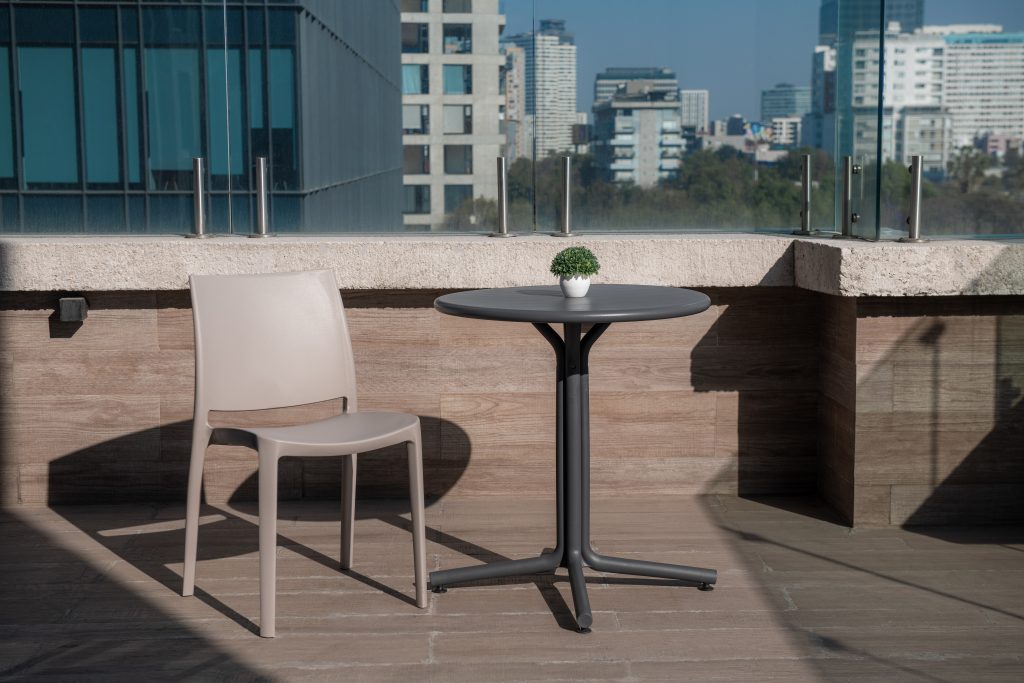
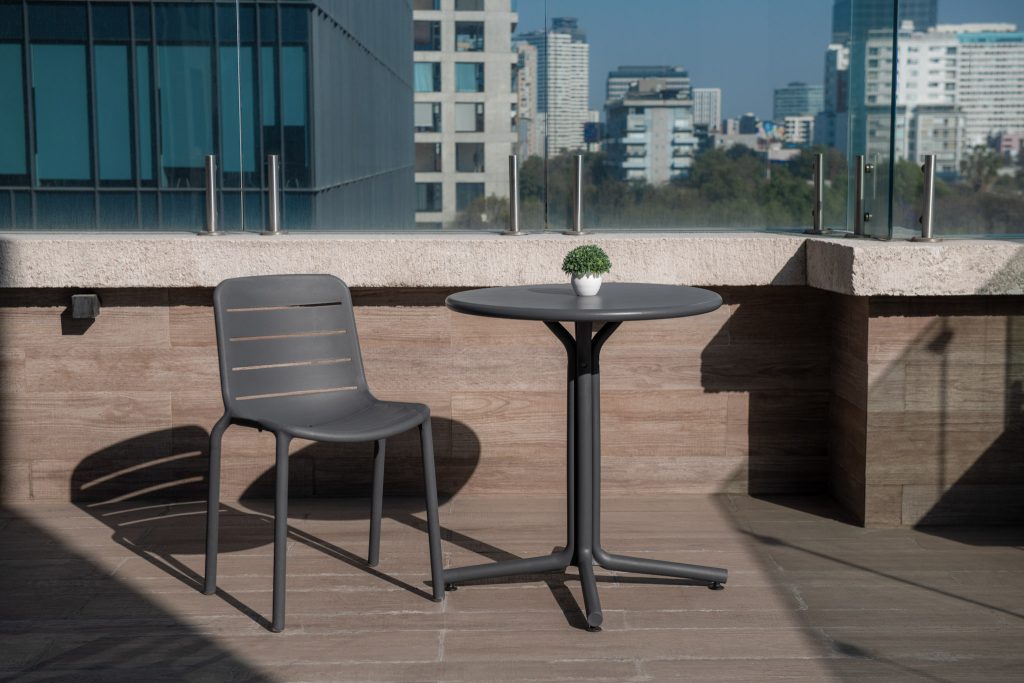
The growth in design of outdoor spaces outdoor design has driven new solutions in specialized furniture.
In this context, the Mexican company PM STEELE® developed STEELE® Exo, a line designed to complement this evolution in how we inhabit open spaces.
The product line responds to a clear market need: furniture that not only withstands the elements but also adds aesthetic and functional value to contemporary architectural projects, promoting mobility, interaction, and community in open spaces.
New pieces for new ways of living
In addition to STEELE® Exo, the collection incorporates various solutions designed for intensive use and diverse environments:
- Taboli: a table with a textured surface that improves grip and facilitates leveling on uneven surfaces
- Solari: a chair with a curved design that allows airflow and incorporates references to traditional materials
- Lunara: available with and without arms, adaptable to flexible or more supportive configurations
- Terralis: an ergonomic, one-piece model designed for continuous outdoor use
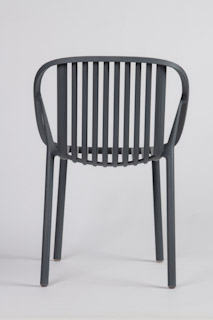
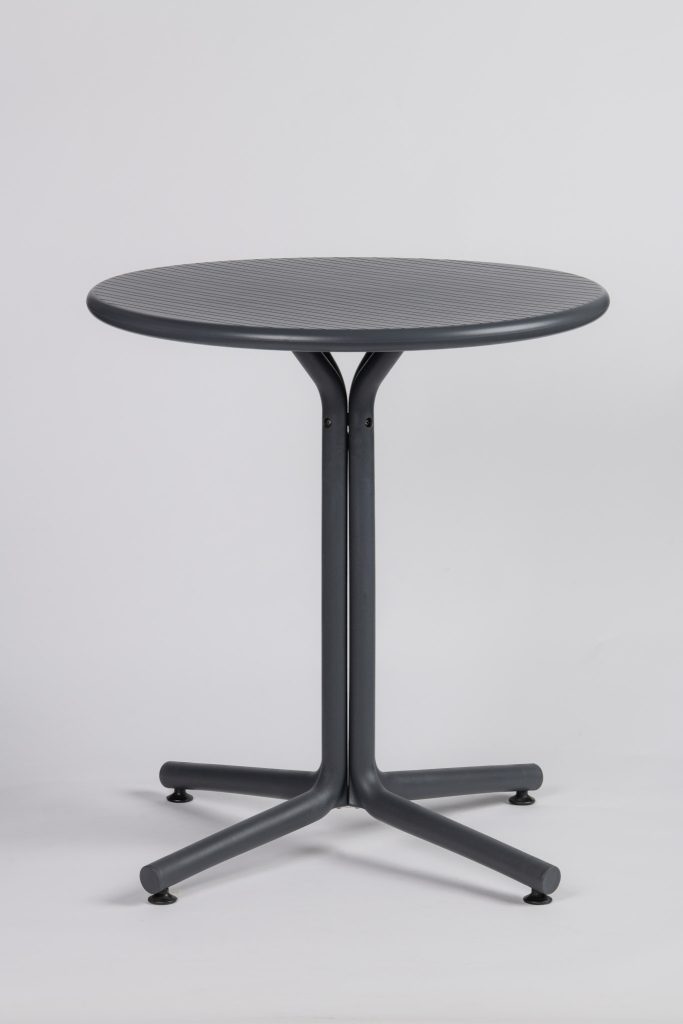
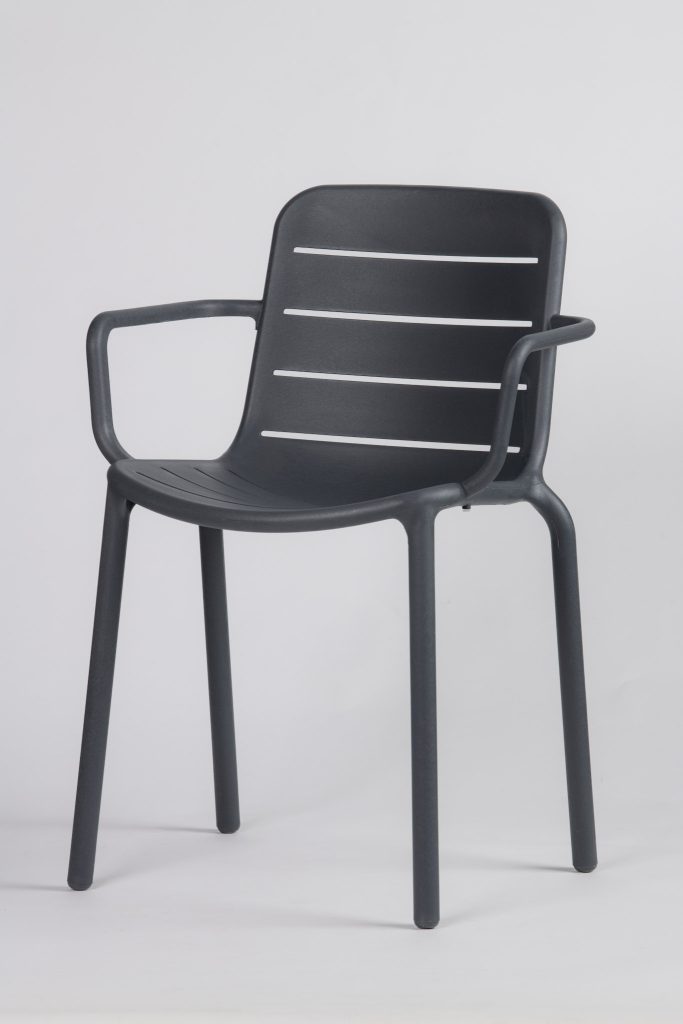
These pieces are designed for sectors such as hospitality, restaurants, corporate offices, education, healthcare, and residential developments, with designs prepared for intensive use and that integrate seamlessly with the architecture, in spaces where open areas are an essential part of daily operations.
Outdoor spaces as an extension of the experience
In practice, outdoor furniture allows for the structuring of social areas, the organization of circulation, and the provision of comfort during extended stays.
Tables and chairs cease to be isolated elements and become tools that build experiences: from a hotel terrace to a corporate courtyard or a residential common area.
The design of outdoor spaces thus allows for the creation of more versatile and functional environments, aligned with new ways of living, while maintaining aesthetic and functional continuity between interior and exterior.
More than a trend, a new way of living
The integration of indoors and outdoors is not a passing fad, but rather a profound shift in how people interact with spaces.
Today, terraces, patios, and open areas are conceived as everyday settings. In this context, furniture assumes a quiet but fundamental role: complementing the experience without overpowering the architecture.
The result is a more flexible, more human architecture, one that is more connected to its surroundings.