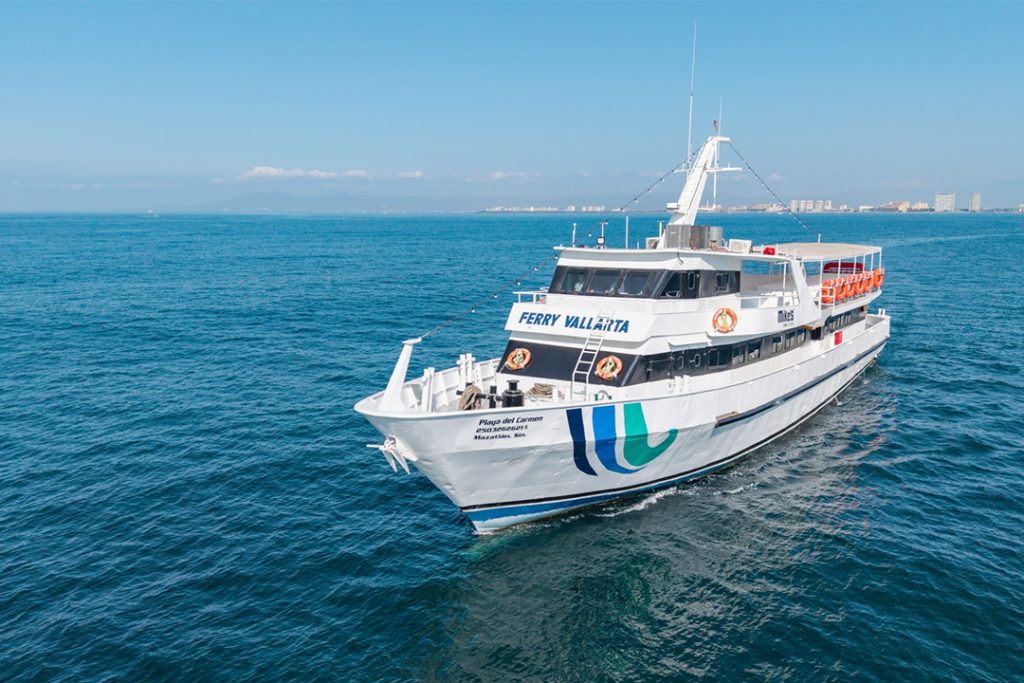
Puerto Vallarta is once again looking to the sea as a driver of development. With the launch of a new ferry to Yelapa and soon to connect with the Islas Marías, mobility in southern Banderas Bay is being redefined, opening up new opportunities for the region's real estate market.
Maritime connectivity not only improves access to historically isolated communities but also transforms investment patterns, tourism, and property value.
Why is the Yelapa ferry a watershed moment for the region?
Unlike other areas of Banderas Bay, southern Banderas Bay lacks roads directly connecting it to Puerto Vallarta. Communities like Yelapa, Quimixto, and Las Ánimas have relied exclusively on informal maritime transport. Now, the Yelapa ferry introduces a structured and regular alternative.
The service departs from the tourist docks near downtown Vallarta, with trips of between 60 and 90 minutes to Yelapa and longer scheduled routes to the Islas Marías, designed as regulated, eco-friendly experiences.
Direct Impact on the Real Estate Market
The improved maritime connectivity triggers several key effects:
1. Greater Investment Certainty
Regular access reduces perceived risk for buyers, facilitating decisions regarding second homes, boutique developments, or vacation properties.
2. Increased Land Value
Accessibility increases the attractiveness of land near landing points, with tourism potential or prime views.
3. Low-Density Development
Without the possibility of land-based expansion, development tends toward small, sustainable projects that are in harmony with the natural environment.
Opportunity… but also responsibility
Growth must be planned. The southern part of the bay is an ecologically and socially sensitive region. Uncontrolled development could jeopardize its identity, affordability, and sustainability. The key will be responsible development, with urban planning and community participation.
What does this mean for Vallarta?
This new maritime route is not just a tourism project, but a strategic transformation of the territory. In a region where the sea has always been the only access, having reliable and well-planned connectivity can become the main catalyst for heritage value.