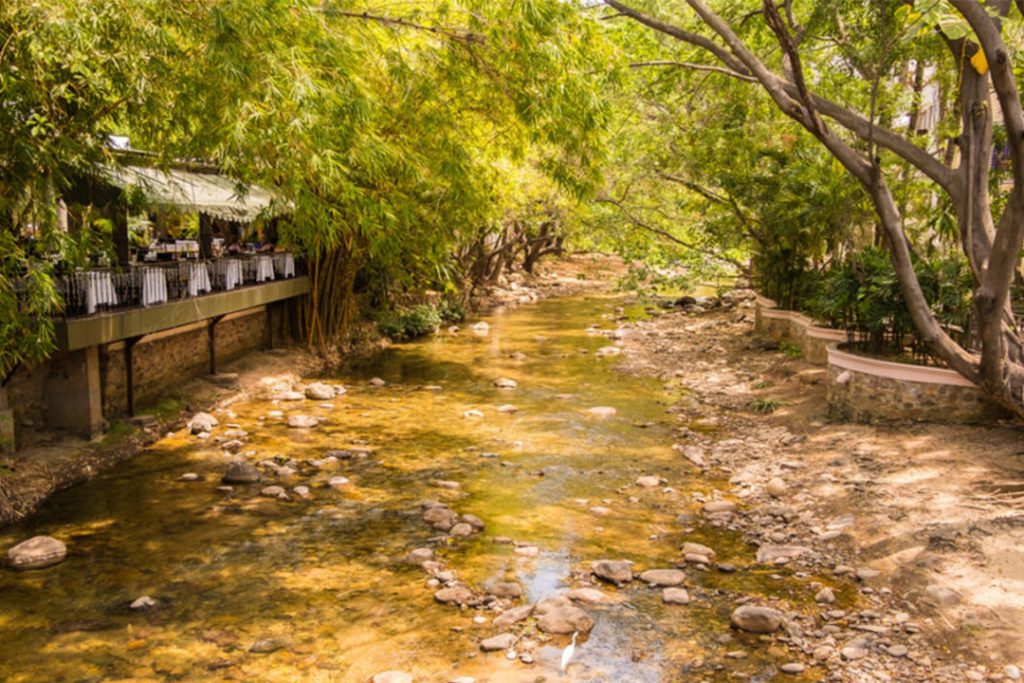
Between the two branches of the Cuale River, right in the heart of Puerto Vallarta's historic center, lies a small urban paradise brimming with identity, culture, and tradition: Cuale River Island, which in 2025 celebrates its centennial with a new distinction that underscores its unique value: it has been declared a Tourist Heritage Site of the City by the local government.
From Natural Accident to Urban Icon
The island was born in October 1925, when a major storm caused the river to swell, splitting its course and creating this natural islet. In its early days, the area was practically rural: a space surrounded by tropical vegetation, adobe houses, and washerwomen who frequented the river.

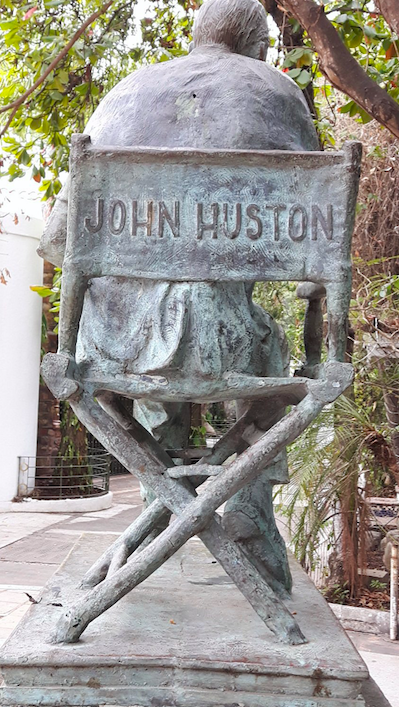
During the 1960s and 70s, with the tourism boom in Puerto Vallarta following the filming of The Night of the Iguana (1964), the island began to transform into an urban attraction. In honor of that historic moment, the island now houses a sculpture of director John Huston, a symbol of the film that marked a turning point for the destination's international profile.
Cultural Evolution: From Nature to Art
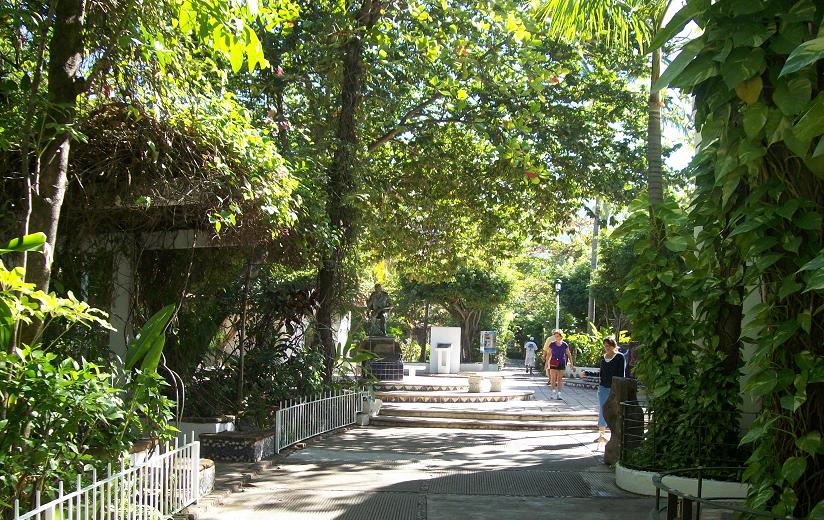
Starting in the 1980s, a series of interventions driven by local artists and the municipal council transformed the island into a vibrant cultural space. Suspension bridges, cobbled paths, art studios, craft shops, bookstores, and bohemian cafes were installed, all framed by the sound of the river and the shade of the trees.
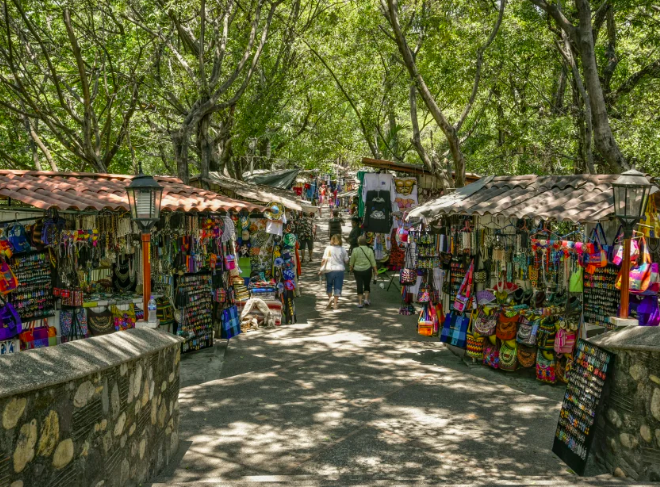
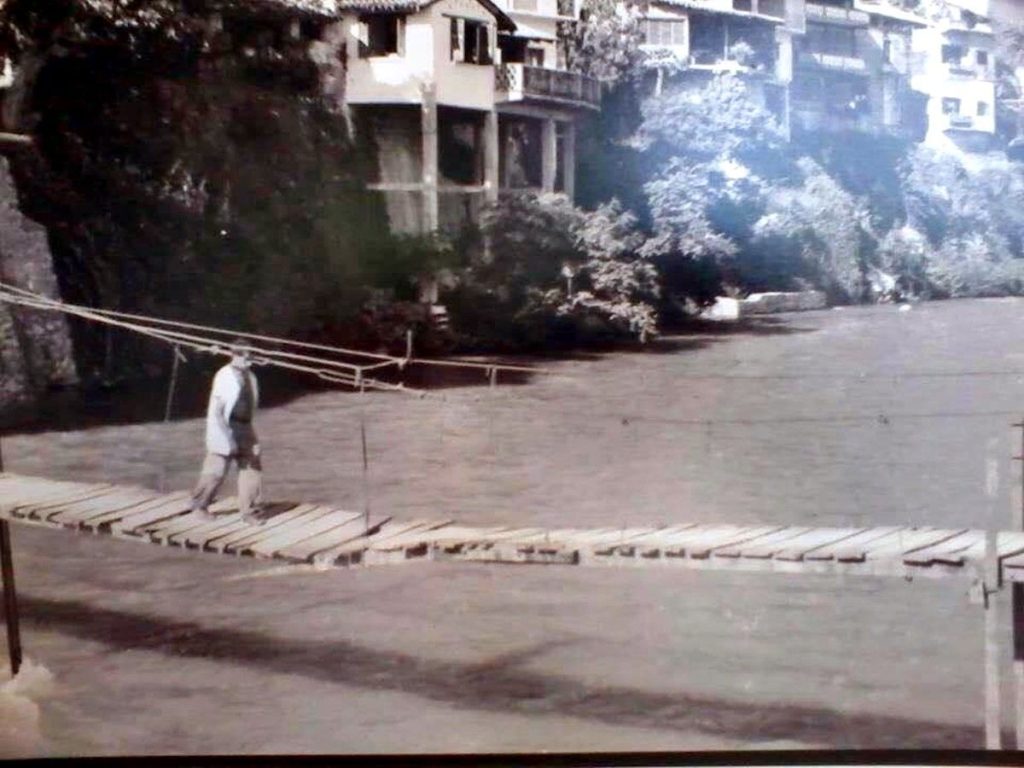
Today , the Vallarta Institute of Culture, the Cuale Museum , and numerous artistic and educational initiatives are based on the island. Concerts, fairs, presentations, workshops, and outdoor activities are organized here, strengthening the local cultural fabric.
What does it mean to be a Tourist Heritage Site of Puerto Vallarta?
The designation as a Tourist Heritage Site of the City —granted by the municipal government in 2025—not only recognizes the island's historical, environmental, and social legacy, but also guarantees its legal protection in matters of urban development and ecological conservation..
Becoming a heritage site means preserving its authenticity and biodiversity, as well as keeping alive the artistic and popular character that defines it. It is also a recognition of the role this space plays in the tourist and civic experience of Puerto Vallarta.
An Island with Many Names and Many Lives
Originally known as Santa Clara Island or Children's Island, this corner of the Cuale River has served multiple purposes throughout history: water supply, laundry area, children's playground, craft market, and, more recently, a gastronomic hub with the arrival of fine dining restaurants that harmonize with nature.
Over the years, the island has been a meeting place, a space for expression, and a site of transformation. It has withstood rains, floods, failed projects, and changes in government, remaining a space deeply cherished by the residents of Puerto Vallarta.
The Living Soul of the City
One hundred years after its natural formation, Cuale River Island is much more than a geographical feature: it is the physical manifestation of Puerto Vallarta's soul. It is a space where nature, history, and art coexist in harmony.
Because if the Malecón is the city's tourist face, Cuale River Island is, without a doubt, its beating heart: a place where local memories, contemporary creativity, and the community spirit that defines this jewel of the Mexican Pacific intertwine.