
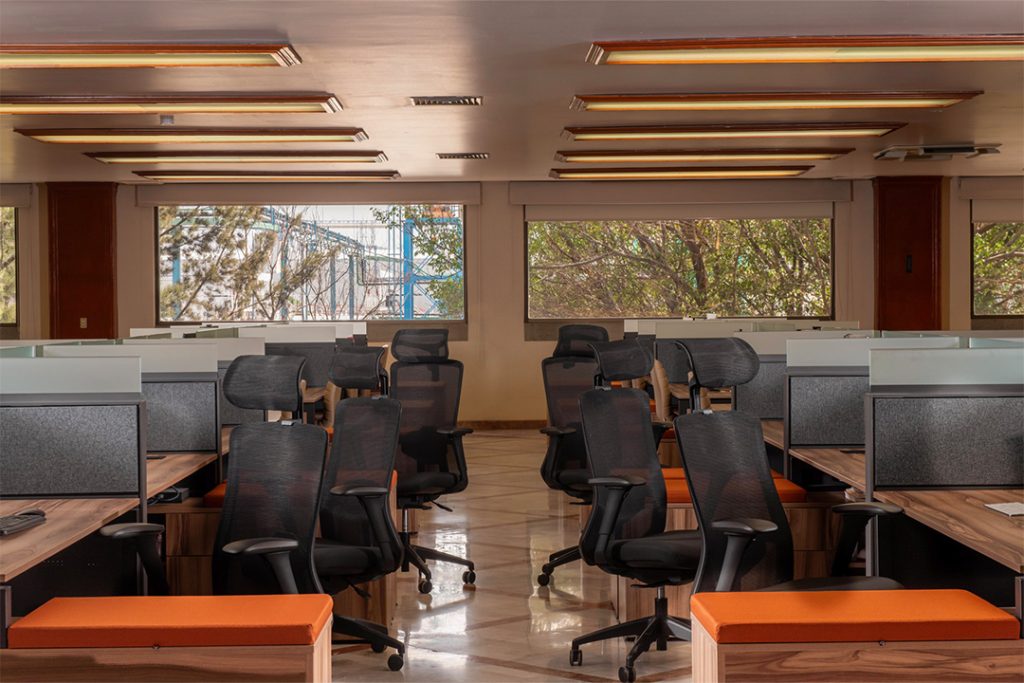
Interior design applied to workspaces is evolving toward proposals where natural materials, understated finishes, organic textures, and adaptable furniture are playing an increasingly important role in creating functional and visually balanced environments.
Beyond responding to new work dynamics, interior design seeks to integrate elements that contribute identity, comfort, and flexibility, making furniture a piece that engages in dialogue with the interior architecture and the composition of the space.
Matte finishes, organic textures, natural materials, and palettes inspired by earth tones are gaining prominence in workplace interior design, reflecting a preference for warmer environments and an aesthetic that prioritizes visual balance.
Colors such as beige, terracotta, olive green, and brown, along with finishes that resemble natural wood, are appearing more frequently in workstations, collaborative spaces, and executive offices, where furniture is integrated with materials and textures to create more harmonious environments.
This evolution is also reflected in the way furniture is conceived. Adaptable spaces, multifunctional pieces, and designs that place greater emphasis on finishes, proportions, and customization allow for the creation of more flexible environments, especially in projects where interior design seeks to accommodate different ways of using the space.
Ergonomics and biophilia are also part of this transformation. The incorporation of nature-inspired materials, natural lighting, vegetation, and warm surfaces reflects an interior design vision that aims to create visually comfortable spaces without sacrificing functionality.
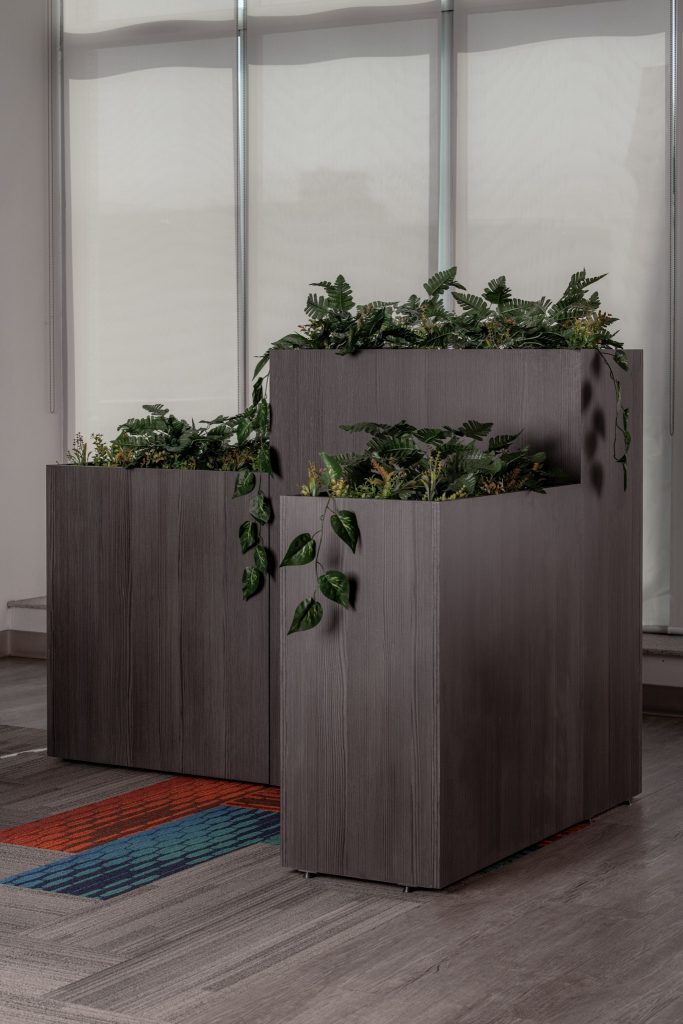
Biophilia, in particular, is playing an increasingly prominent role by fostering environments that strengthen the connection between people and the spaces they inhabit daily. This trend influences the selection of materials and colors, as well as furniture layout and the visual integration of natural elements.
This trend is also beginning to be reflected in Mexican furniture manufacturers, such as PM STEELE®, a company with over 75 years of experience, which has incorporated warm materials, understated finishes, and solutions inspired by concepts like biophilia and ergonomics into its workspace designs.
Among these is STEELE® Bio, a line that integrates planters into the furniture to promote the incorporation of natural elements in collaborative spaces and areas where the goal is to divide environments without altering the overall spatial configuration.
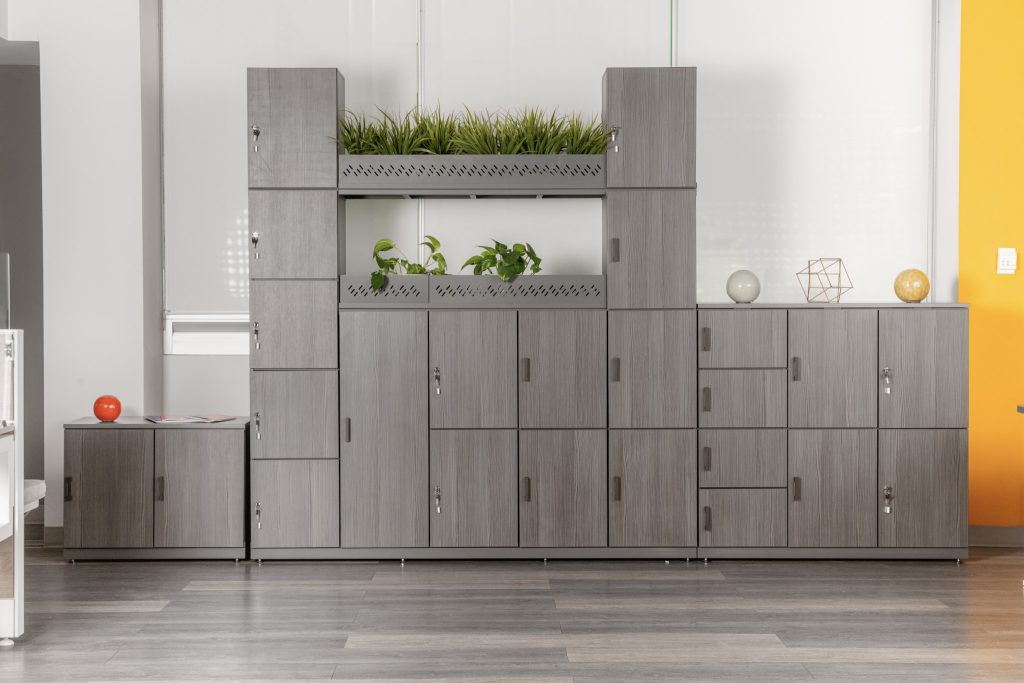
For its part, KROM responds to a proposal of clean lines and sober finishes for executive spaces, while Auriga® reflects the growing presence of furniture designed for collaborative areas and more open living spaces, in line with an interior design that opts for more flexible and habitable environments.
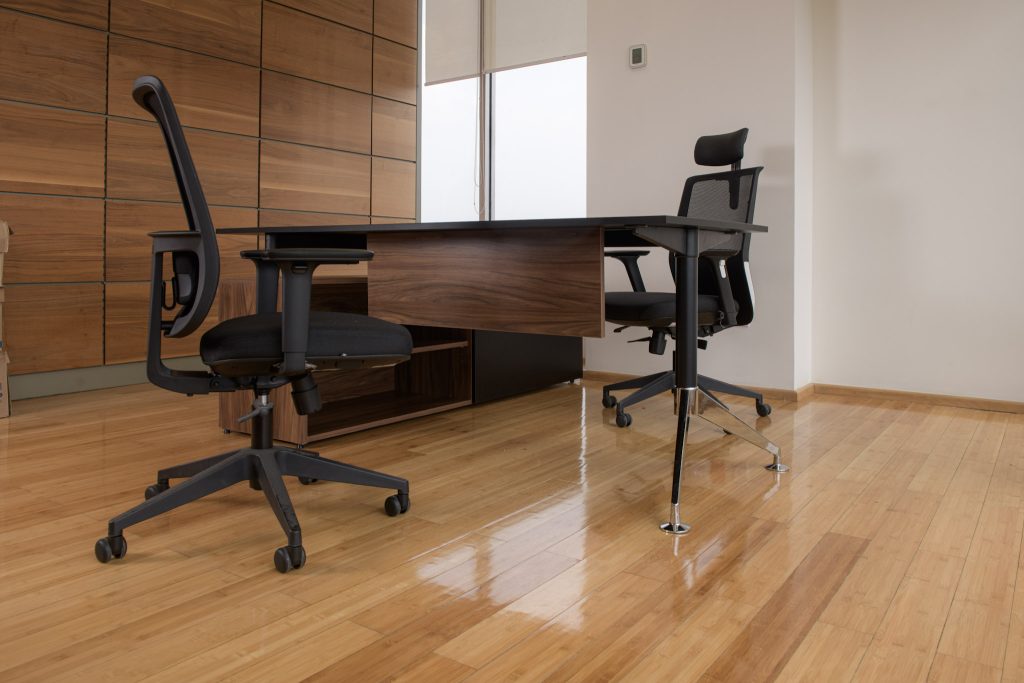
Beyond solving functional needs, furniture is part of the language of contemporary interior design, where materials, textures, distribution and design contribute to building spaces with greater identity and a more integrated experience for those who use them.
