In the real estate world, there's a maxim that rarely fails: infrastructure creates destinations, and destinations create value..
Four decades ago, Cancún was a gamble. Twenty years ago, Punta Mita was beginning to position itself as one of the most important luxury enclaves in Latin America. Today, a new piece seems to be joining the Mexican Pacific chessboard: Costa Nayarit..
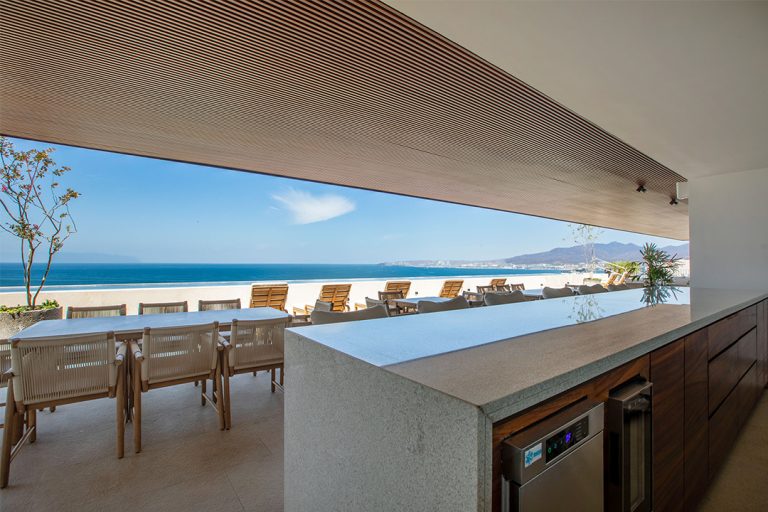
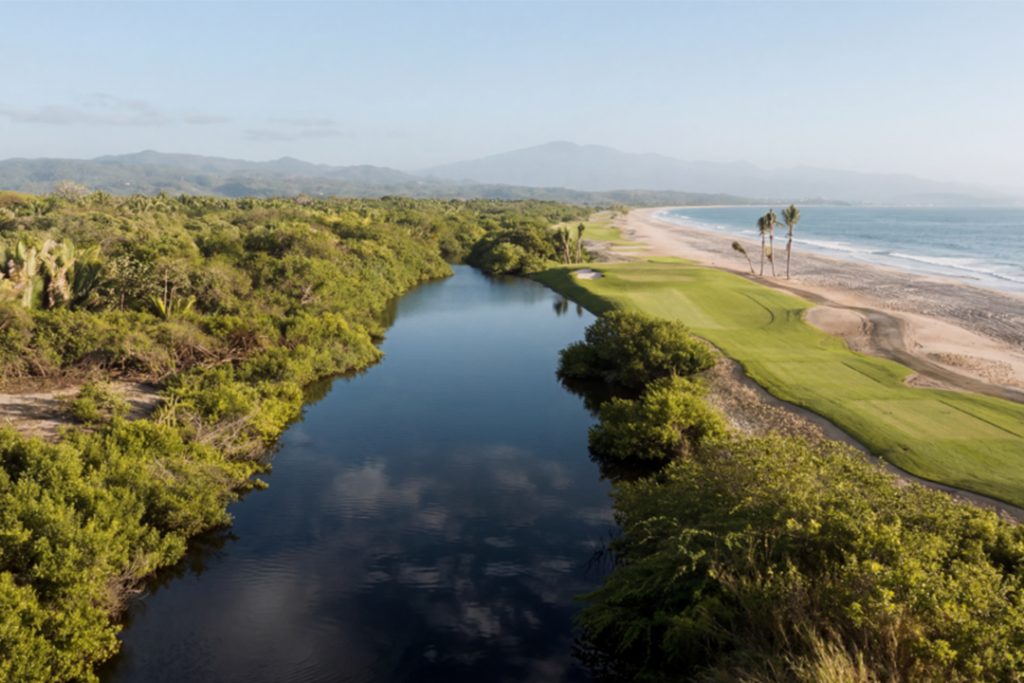
Recently unveiled, the project aspires to become one of the most important private tourism and residential developments in the country, with an announced investment exceeding 20 billion pesos and a model that combines housing, hotels, a marina, sports, and wellness in a single community.
But beyond the figures, the relevant question is another: what does a project of this scale really mean for the future of real estate in Nayarit?
More than a development, a planned city
One of the most striking aspects is that Costa Nayarit is not conceived solely as a collection of vacation homes.
The plan envisions a comprehensive community with hotels, commercial spaces, medical services, sports facilities, and more than 4,500 residential units. Its developers have described the project as an ecosystem designed to operate year-round, not just during peak season.
This approach reflects an increasingly visible trend in the international market: buyers are no longer simply looking for a second home, but rather places where they can combine remote work, wellness, and everyday life.
The Nautical Focus
Perhaps the most distinctive element of Costa Nayarit is its maritime vocation.
The project has been presented as Mexico's first nautical community, incorporating interior canals, residences with direct water access, private docks, and a full-service marina.
This model is reminiscent of international developments where sailing is part of daily life, rather than an occasional recreational activity.
In market terms, it also represents a diversification of the real estate offerings on the Mexican Pacific coast, historically more focused on traditional beachfront properties.
Infrastructure Takes Center Stage Once Again
No megaproject operates in isolation.
The growth of the Riviera Nayarit in recent years has been accompanied by a steady improvement in connectivity: new highways, airport expansions, and increasing integration with the Puerto Vallarta metropolitan area.
Costa Nayarit will be located in the municipality of Compostela, approximately 50 minutes from the Puerto Vallarta International Airport and relatively close to the new Riviera Nayarit International Airport, whose expansion is part of the regional development strategy.
In other words, the project is not emerging from a vacuum. It is part of a tourist corridor that has been consolidating for years.
The Impact Beyond Tourism
Developers estimate that the construction will generate more than 10,000 direct jobs and a significant economic boost for the region.
However, the true impact of these types of projects is usually measured in the long term.
When an investment of this magnitude arrives in a region, it's not just residences that are built. New services, complementary infrastructure, business opportunities, and a growing demand for housing for those working within the tourism ecosystem also emerge.
It's a phenomenon that Puerto Vallarta and Banderas Bay are already very familiar with.
The Challenge of Balanced Growth
Large tourism projects also open up necessary conversations about sustainability, urban planning, and integration with local communities.
In various destinations around the world, rapid growth has forced a rethinking of the relationship between private investment, environmental conservation, and social development.
Costa Nayarit arrives at a time when these discussions are central to any large-scale project, especially in coastal ecosystems of high environmental value.
The challenge will be to find a balance between economic growth and preserving the environment that makes this region so attractive.
A Sign of the Future of the Mexican Pacific
Perhaps the most interesting data point isn't the amount of investment or the number of residences, but the message it sends. Large investors continue to see Nayarit as a region with growth potential, international connectivity, and appeal to high-net-worth buyers.
A few years ago, many investors looked only to Los Cabos or Cancún. Today, the Mexican Pacific seems to be writing a new chapter, and projects like Costa Nayarit could become one of its main protagonists.