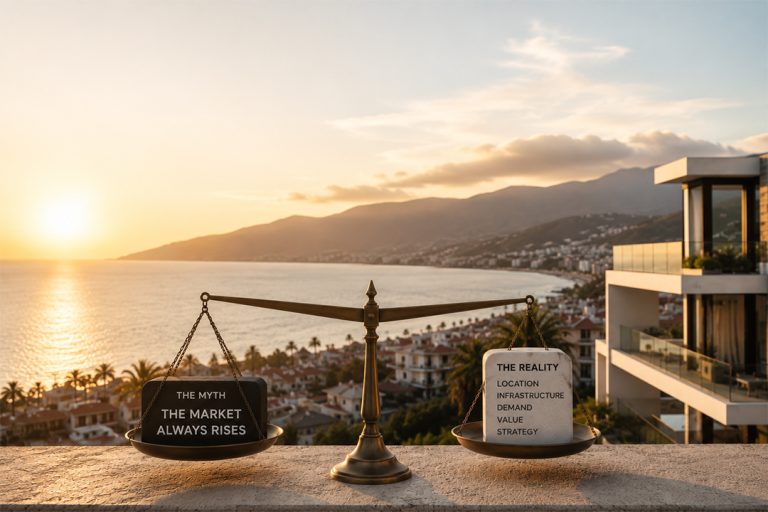
In tourism markets, one of the most costly mistakes is confusing lower occupancy with lower demand. During the summer, many companies reduce their brand presence under a seemingly logical premise: there are fewer visitors, less activity, and therefore fewer immediate opportunities. However, in real estate, hospitality, and services linked to the real estate market, demand rarely appears spontaneously. It is cultivated months in advance.
The season begins before the visit
Puerto Vallarta and Riviera Nayarit know this well. Those who buy a second home, invest in a development, hire a law firm, or consider managing a property don't usually make impulsive decisions. They observe, compare, read, ask questions, gather references, and build trust long before sitting down with a broker, visiting a showroom, or booking a flight.
In many cases, the real estate decision-making process can take between six and twelve months; sometimes longer, especially when it involves international buyers, family wealth, or lifestyle changes. That's why the high season doesn't begin when the visitor arrives at the destination. It begins when the buyer starts imagining themselves there.
That buyer doesn't disappear in the summer. They're in Vancouver, Los Angeles, Dallas, Calgary, or Mexico City, researching destinations, reviewing neighborhoods, understanding prices, reading about infrastructure, exploring developments, and identifying which brands appear consistently. Familiarity, in this context, is a silent form of competitive advantage.
Visibility, trust, and brand recall
Visibility isn't like a switch you flip when you're desperate to sell. It's more like an accumulation of presence, authority, recognition, and trust. Brands that wait until November to "activate" their communication enter the peak season competing for attention at the most saturated time of the year. Those that maintain visibility during the preceding months arrive with something far more valuable: brand recall.
This applies to developers, real estate agencies, boutique hotels, architecture firms, law firms, financial institutions, and specialized suppliers. In destinations like Vallarta, Punta de Mita, Sayulita, or San Pancho, where the decision combines investment, lifestyle, and perceived safety, positioning isn't improvised. It's built with consistency, editorial judgment, and a strategic presence.
Summer, far from being a dead period, can be one of the smartest times to strengthen your authority. Less noise doesn't mean less market share; it can mean more space to have a relevant conversation before everyone else tries to do it at once.
The most sophisticated companies understand that positioning isn't a last-minute reaction, but a long-term investment. With that in mind, Property Journal is preparing its Special Summer Edition, running from July to October, designed precisely to accompany this period leading up to the peak season. Companies interested in strengthening their presence before the biggest activity of the year can request commercial information here.